
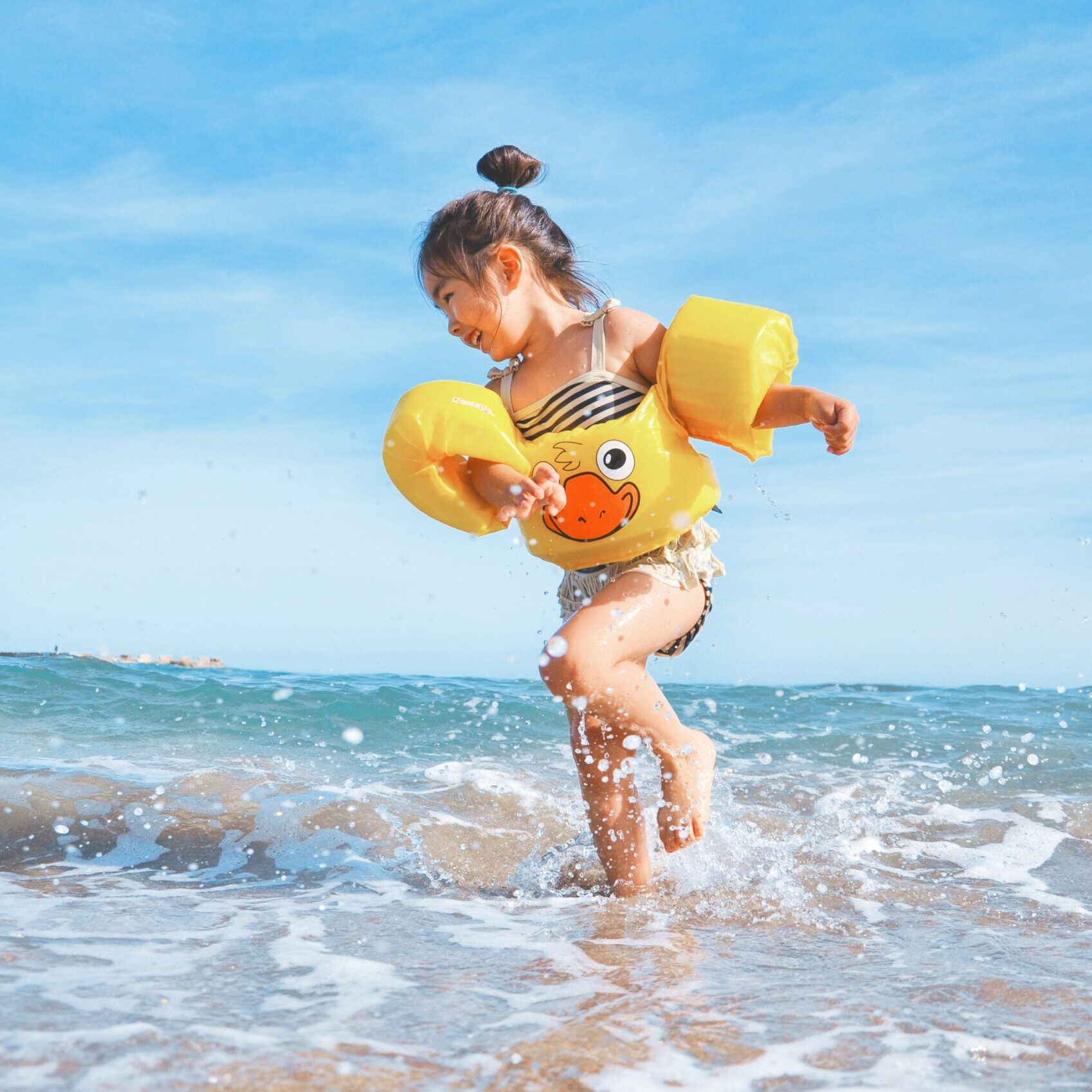
Gross motor skills are the larger movements children use with their arms, legs and whole body. These skills are essential for activities such as running, jumping, climbing, sitting upright and participating in sports and play. While they often develop naturally through movement and exploration, gross motor skills are a key foundation for a child’s physical confidence, coordination and overall development.
What are gross motor skills?
Gross motor skills involve coordinated movement of the large muscles of the body, including the core, arms and legs. These movements require strength, balance, coordination and control.
Gross motor development includes:
- balance
- coordination
- strength
- body awareness
- motor planning
- endurance
- postural control
These skills develop over time as children explore their environment, practice movement and engage in active play.
Why gross motor skills matter
Gross motor skills support a child’s ability to move confidently and participate fully in everyday life.
At school
Children use gross motor skills for:
- sitting upright at a desk
- moving safely around the classroom
- participating in sport and PE
- playground activities (climbing, swinging, running)
- carrying bags and equipment
When gross motor skills are underdeveloped, children may appear restless, tire easily or avoid physical activities.
At home
Gross motor skills help with everyday tasks such as:
- getting dressed (standing on one leg, pulling on clothes)
- moving safely around the home
- carrying items
- helping with chores
- maintaining posture during seated activities
These skills contribute to independence and safety.
In play
Active play is one of the main ways children develop gross motor skills. Running, jumping, climbing, riding, and ball play all build strength, coordination and confidence.
Signs a child may be finding gross motor skills challenging
Every child develops at their own pace, but some signs may suggest a child needs extra support. These can include:
- avoiding playground or physical activities
- appearing clumsy or uncoordinated
- frequent tripping or falling
- difficulty running, jumping or hopping
- struggling with balance (e.g., standing on one foot)
- tiring quickly during movement activities
- poor posture when sitting or standing
- difficulty learning new physical skills (e.g., riding a bike)
A child does not need to show all of these signs to benefit from support.
What skills support gross motor development?
Gross motor skills rely on several underlying abilities:
Core strength and postural control
A strong core helps children sit upright, maintain balance, and stabilise their body during movement.
Balance
Balance allows children to control their body in both still and moving positions.
Coordination
Coordination involves using different parts of the body together smoothly and efficiently.
Motor planning
Motor planning is the ability to think about, plan, and carry out new movements.
Body awareness
Children need to understand where their body is in space to move safely and effectively.
Endurance
Endurance supports a child’s ability to sustain physical activity over time without tiring quickly.
How to build gross motor skills through play
Gross motor skills are best developed through fun, active play and movement.
1. Encourage outdoor play
Outdoor environments provide natural opportunities for movement.
- running games
- climbing at the playground
- exploring uneven surfaces (grass, slopes)
- obstacle courses
2. Practice balance activities
Balance can be built through simple games.
- standing on one foot
- walking along a line or low beam
- stepping stones or cushions
- yoga poses for kids
3. Play ball games
Ball play supports coordination, timing, and body control.
- throwing and catching
- kicking a ball
- rolling a ball back and forth
- aiming at targets
4. Try jumping and hopping games
These activities build strength and coordination.
- jumping over lines or objects
- hopscotch
- jumping on a trampoline
- hopping races
5. Use bikes and scooters
These help develop balance, coordination and endurance.
- balance bikes
- scooters
- tricycles
6. Create obstacle courses
Obstacle courses are a fun way to combine multiple skills.
- crawl under tables
- jump over cushions
- climb over objects
- balance along a path
7. Include everyday movement tasks
Daily routines can support gross motor development.
- carrying groceries (light items)
- helping with tidying up
- pushing/pulling toys
- dancing to music
Simple tips for parents and carers
- Encourage daily active play.
- Follow your child’s interests to keep them engaged.
- Break skills into smaller, achievable steps.
- Focus on fun rather than performance.
- Provide a safe environment for movement.
- Offer plenty of opportunities for repetition.
- Celebrate effort and progress.
When to seek support from an Occupational Therapist
If a child’s gross motor difficulties are affecting their participation, confidence or ability to keep up with peers, an occupational therapist can help. OT support may include:
- assessing strength, balance, coordination and motor planning
- identifying underlying challenges
- providing targeted activities and programs
- supporting school participation and playground skills
- helping families build movement into everyday routines
Early support can improve confidence and participation in physical activities and promote everyday independence.
If you have concerns about your child’s movement, coordination or physical confidence, our Occupational Therapists can provide practical support tailored to your child’s needs.